

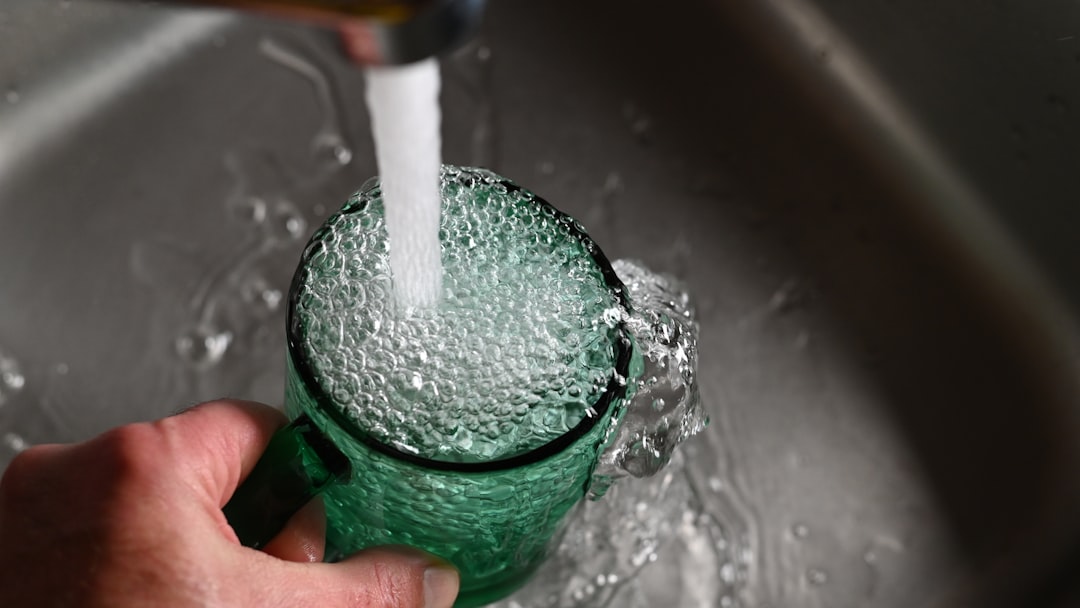
Summary: Regina City Council remains committed to adding fluoride to the city’s drinking water once infrastructure upgrades allow, but the timeline has shifted to 2027 amid project delays. The debate has featured sustained arguments over dental health benefits, cost, safety, consent, and alternatives, with council votes in 2025 affirming the decision to proceed when feasible.
Key facts:
- Fluoridation is not currently in place in Regina’s water system.
- Council direction is to fluoridate, contingent on the completion of upgrades at the Buffalo Pound Water Treatment Plant, which supplies Regina and Moose Jaw.
- Project delays at Buffalo Pound have pushed earliest implementation to 2027.
- A motion to revisit or delay fluoridation failed in 2025 votes, maintaining the city’s course.
What has happened so far
- Policy direction: Council previously endorsed adding fluoride to Regina’s drinking water to align with public health recommendations, subject to infrastructure readiness at the Buffalo Pound Water Treatment Plant.
- Infrastructure dependency: Fluoride dosing equipment and integration are planned within the broader Buffalo Pound Renewal Project, a multi-year modernization that includes new treatment processes and facility upgrades. As construction and commissioning schedules shifted, the city’s fluoridation start date moved accordingly.
- 2025 council actions: In spring 2025, councillors considered requests to revisit, defer, or hold a referendum on fluoridation. Following debate featuring public delegations and expert testimony, council voted to continue with the established plan. Media reports identified a 7–3 style split on a key vote to reject a delay motion, leaving fluoridation tied to plant readiness.
- Timeline update: By late 2025 into early 2026, city and plant updates indicated commissioning milestones extending beyond original targets. Multiple outlets reported the practical start for fluoridation would not occur before 2027, pending completion, calibration, and regulatory approvals at Buffalo Pound.
Arguments for adding fluoride
- Dental decay reduction: Health authorities, including Health Canada, the Public Health Agency of Canada, and major dental associations, cite decades of evidence that community water fluoridation reduces caries prevalence. Studies in fluoridated Canadian municipalities commonly report relative reductions in childhood cavities ranging from roughly 20% to 40%, depending on baseline decay, age, and access to dental care.
- Equity and reach: Proponents argue water fluoridation is a population-wide intervention benefiting all income groups, including residents with limited access to dental insurance or routine care. Regina’s dental health data, while reported across various sources, aligns with national trends that show higher rates of untreated decay among lower-income households.
- Cost-effectiveness: Public health analyses typically cite low per-capita costs relative to avoided dental treatment. Municipal estimates vary with system size, but many Canadian systems report annual costs measured in the low single-digit dollars per resident, with modeled savings substantially exceeding outlays through reduced restorations and extractions.
- Safety standards: Supporters highlight Health Canada’s guideline for community water fluoridation generally targeting around 0.7 mg/L fluoride and longstanding engineering practices for metering and monitoring. They emphasize that dental fluorosis concerns at guideline levels are typically mild and cosmetic.
Arguments against adding fluoride
- Consent and choice: Opponents frame fluoridation as mass medication without individual consent, emphasizing residents cannot easily “opt out” if they rely on municipal water. They argue dental interventions should be voluntary and delivered through targeted programs (e.g., school sealants, vouchers).
- Health risk concerns: Critics raise contested studies examining associations with thyroid function, bone health, or neurodevelopmental outcomes. While major health bodies find fluoridation at recommended levels safe, opponents point to uncertainties, call for precaution, and request updated local risk assessments.
- Dental fluorosis and dosing variability: Some residents are concerned about mild fluorosis and accidental overexposure among heavy water consumers or infants fed formula. They argue that individual fluoride intake varies, complicating uniform dosing via the water supply.
- Cost and priority: Skeptics question whether funds would be better allocated to direct dental services, school-based varnish/sealant programs, or subsidized care for low-income families, which could yield measurable benefits without systemwide dosing.
Regulatory and operational context
- Source water and plant: Regina receives treated water from the Buffalo Pound Water Treatment Plant. Any fluoridation program requires installed metering systems, chemical storage, dosing controls, operator training, and continuous monitoring, followed by validation during commissioning.
- Target concentration and oversight: Municipal fluoridation programs in Canada typically target approximately 0.7 mg/L, with operational tolerances set through provincial regulation and waterworks permits. Routine sampling and reporting accompany bacteriological and chemical compliance monitoring.
Where the council stands now
- Decision on record: Council’s standing decision is to proceed with fluoridation once the plant can reliably and safely dose fluoride in line with provincial regulations and Health Canada guidance.
- 2025 vote outcomes: Attempts to reopen or delay the decision did not pass in 2025, keeping implementation linked to the Buffalo Pound schedule.
- Current timeline: City updates and media reports indicate that practical start-up is pushed to 2027, dependent on the completion and commissioning phases at Buffalo Pound and any additional municipal approvals or procurement steps related to fluoride feed systems.
What residents should watch next
- Buffalo Pound project milestones: Substantial completion, commissioning, and performance testing dates will determine when fluoride dosing can be introduced. Residents should look for project updates from the plant and the City of Regina.
- Council agendas: Any motions to revisit fluoridation policy, adopt a referendum, or adjust the implementation plan would appear on council meeting agendas and committee reports.
- Public health guidance: Provincial and national health agencies periodically review evidence and may issue updated advisories or technical guidance on optimal fluoride levels or monitoring protocols.
Data points and benchmarks
- Typical Canadian fluoridation target: ~0.7 mg/L (Health Canada guideline).
- Effect size benchmarks reported in Canadian and U.S. literature: approximately 20%–40% reductions in dental caries incidence across populations in fluoridated communities, with variability by age and baseline risk.
- Per-capita cost estimates: commonly cited figures in Canadian municipalities are in the range of a few dollars per resident annually; detailed Regina-specific costings are linked to capital integration at Buffalo Pound and will be itemized through procurement and utility budgeting.
- Implementation dependency: Fluoride addition in Regina will not occur before completion and commissioning of the Buffalo Pound upgrades; current external reporting indicates earliest 2027.
Sourcing and transparency
- CBC News: Regina water fluoridation delayed to 2027 due to plant project schedule and commissioning dependencies. https://www.cbc.ca/news/canada/saskatchewan/regina-water-fluoridation-delayed-2027-9.7115095
- Global News: Council votes tied to proceeding with fluoridation aligned with infrastructure readiness; reporting on 2025 debates and target timelines. https://globalnews.ca/news/11162490/regina-water-fluoride-2026-city-council/
- CJME: Council rejects motion to delay or revisit fluoridation in 2025 votes; debate details and vote count. https://www.cjme.com/2025/05/03/city-council-rejects-motion-to-delay-fluoride-in-regina-water/
- University of Saskatchewan College of Dentistry: Dr. Gerry Uswak’s evidence-based presentation to council in 2025, summarizing scientific consensus and safety parameters. https://dentistry.usask.ca/news/2025/dr-uswak-leads-defense-of-water-fluoridation-at-regina-city-council.php
- CTV News: Project-related timeline shifts at Buffalo Pound move earliest feasible fluoridation to 2027. https://www.ctvnews.ca/regina/article/reginas-fluoride-water-treatment-delayed-until-2027/
Note to readers: This report focuses solely on current developments in Regina and Saskatchewan and reflects information available as of today. For meeting-by-meeting updates, consult City of Regina council agendas and Buffalo Pound Water Treatment Plant project bulletins.
Leave a Reply